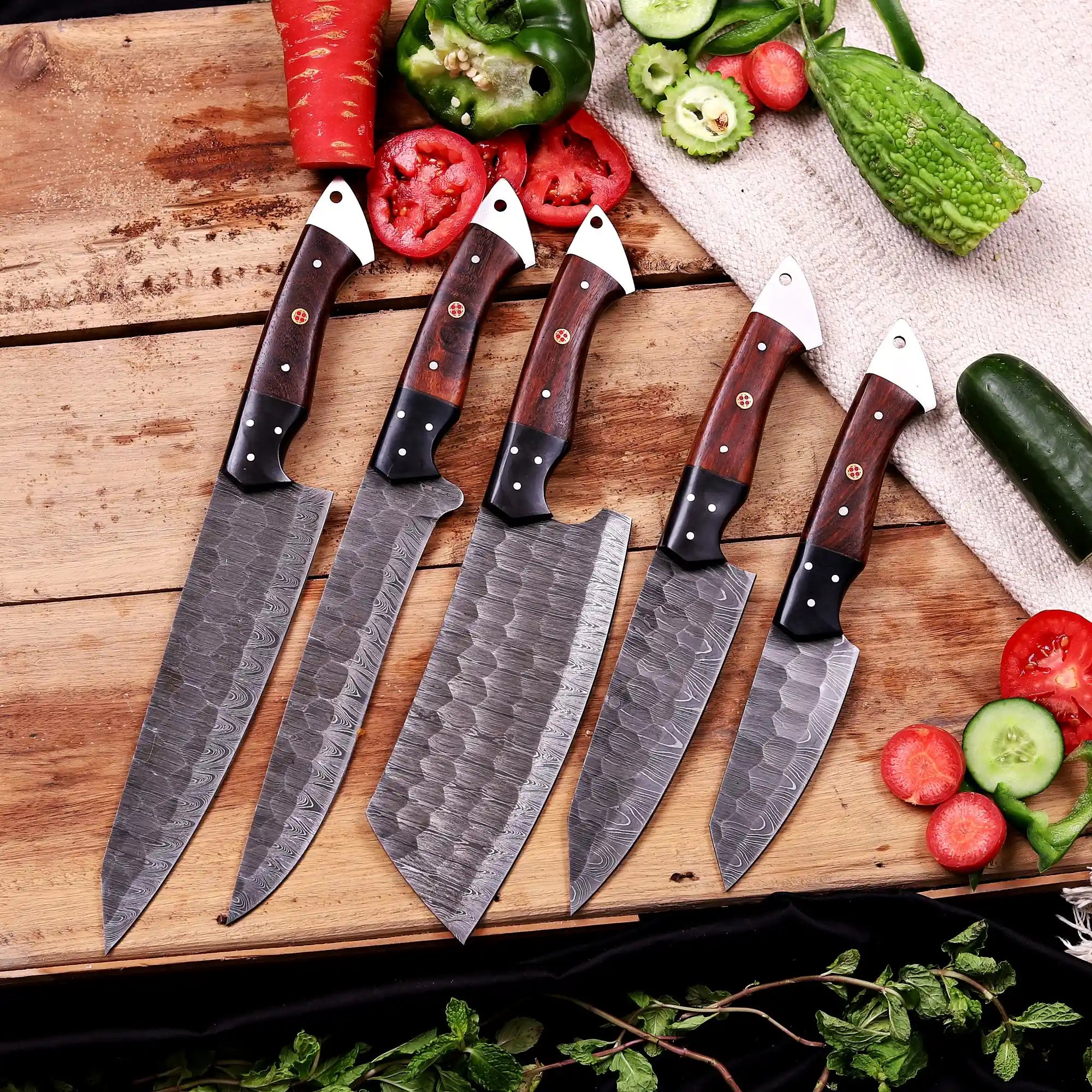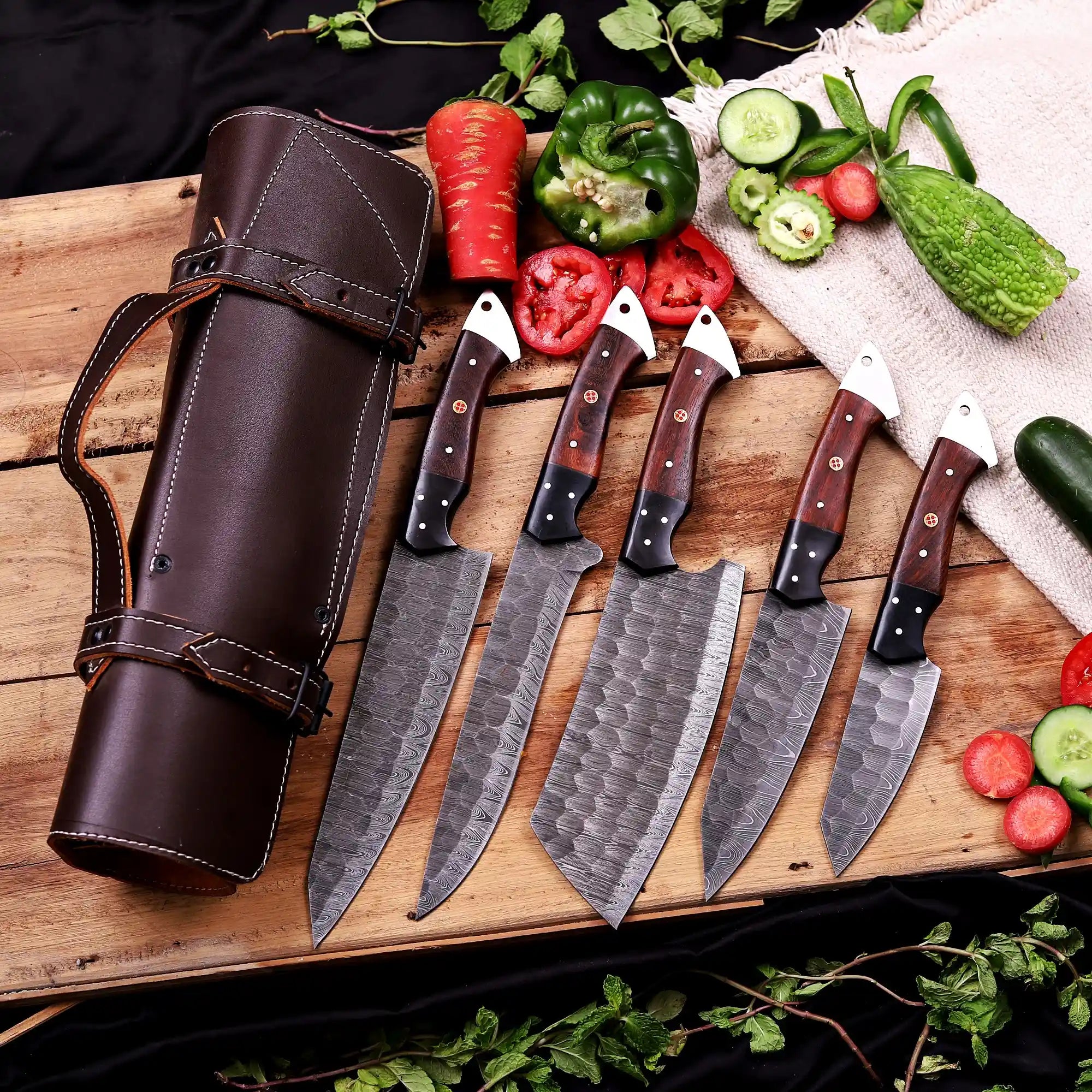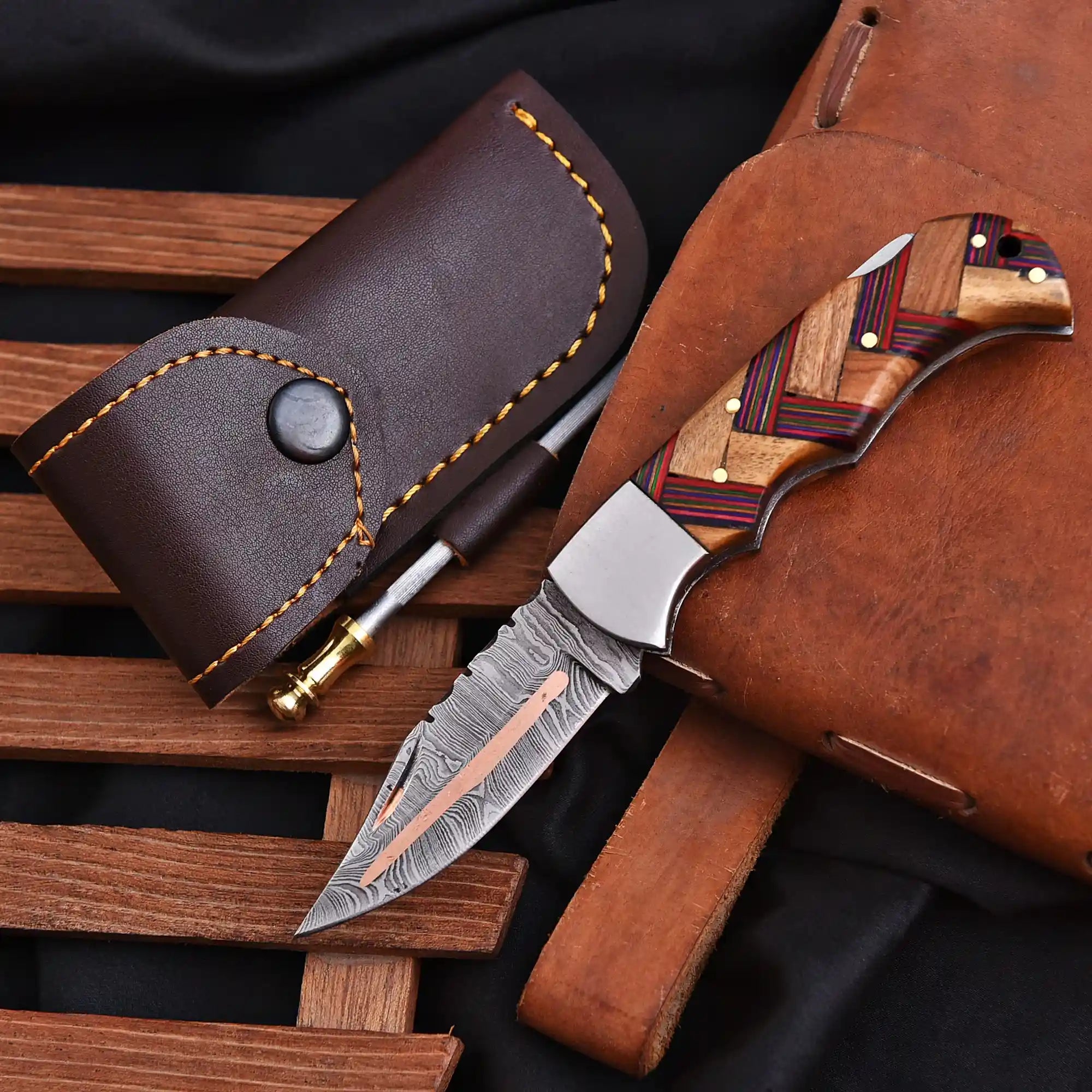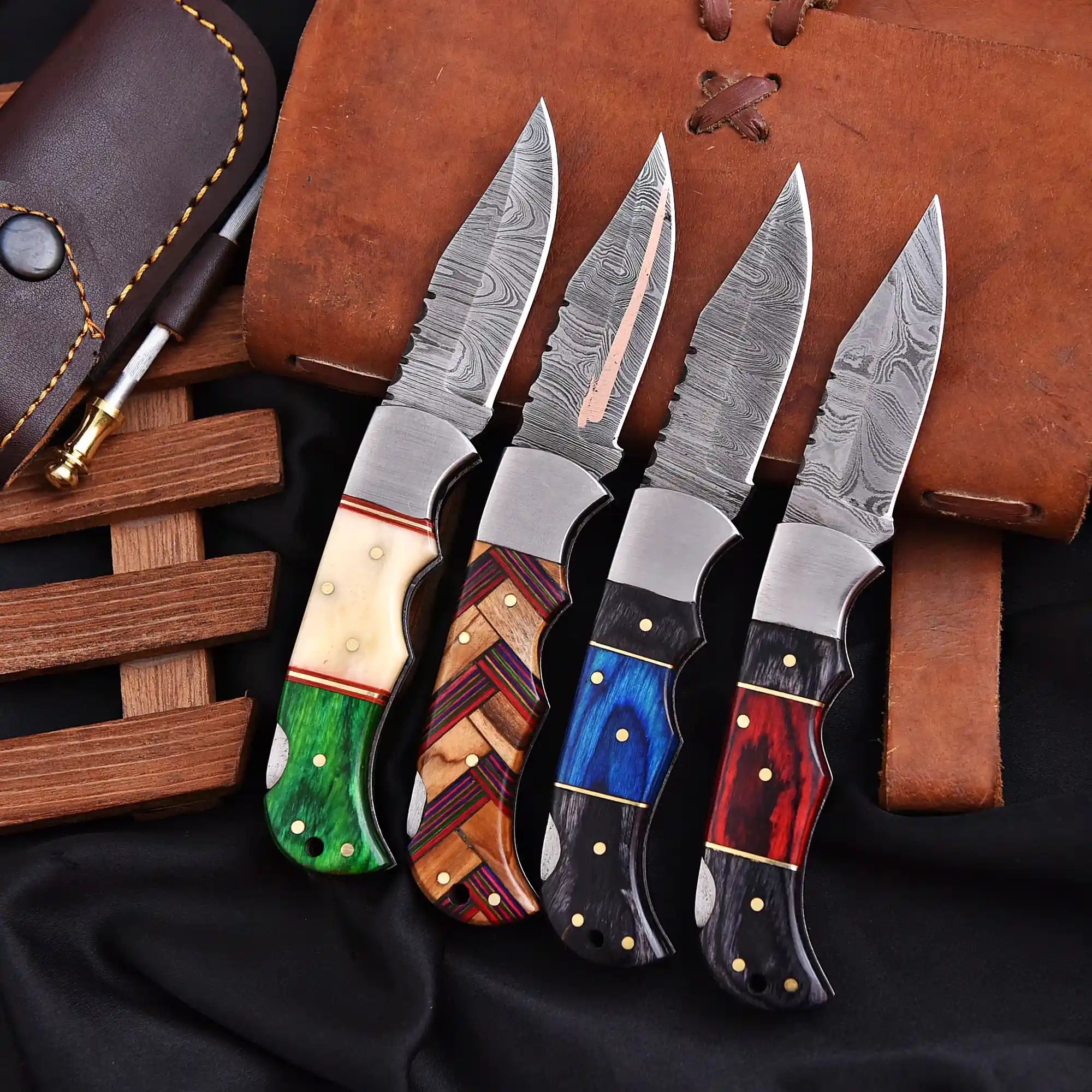

If you've spent any time shopping for a hunting knife, chef's knife, or everyday carry blade, you've probably run into this debate. Damascus steel knives look stunning — that signature wavy, layered pattern makes every blade one-of-a-kind. Stainless steel, on the other hand, is the industry standard for a reason: it's reliable, affordable, and low-maintenance.
So which one should actually end up in your hand? Let's break it down.
What Is Damascus Steel, Really?
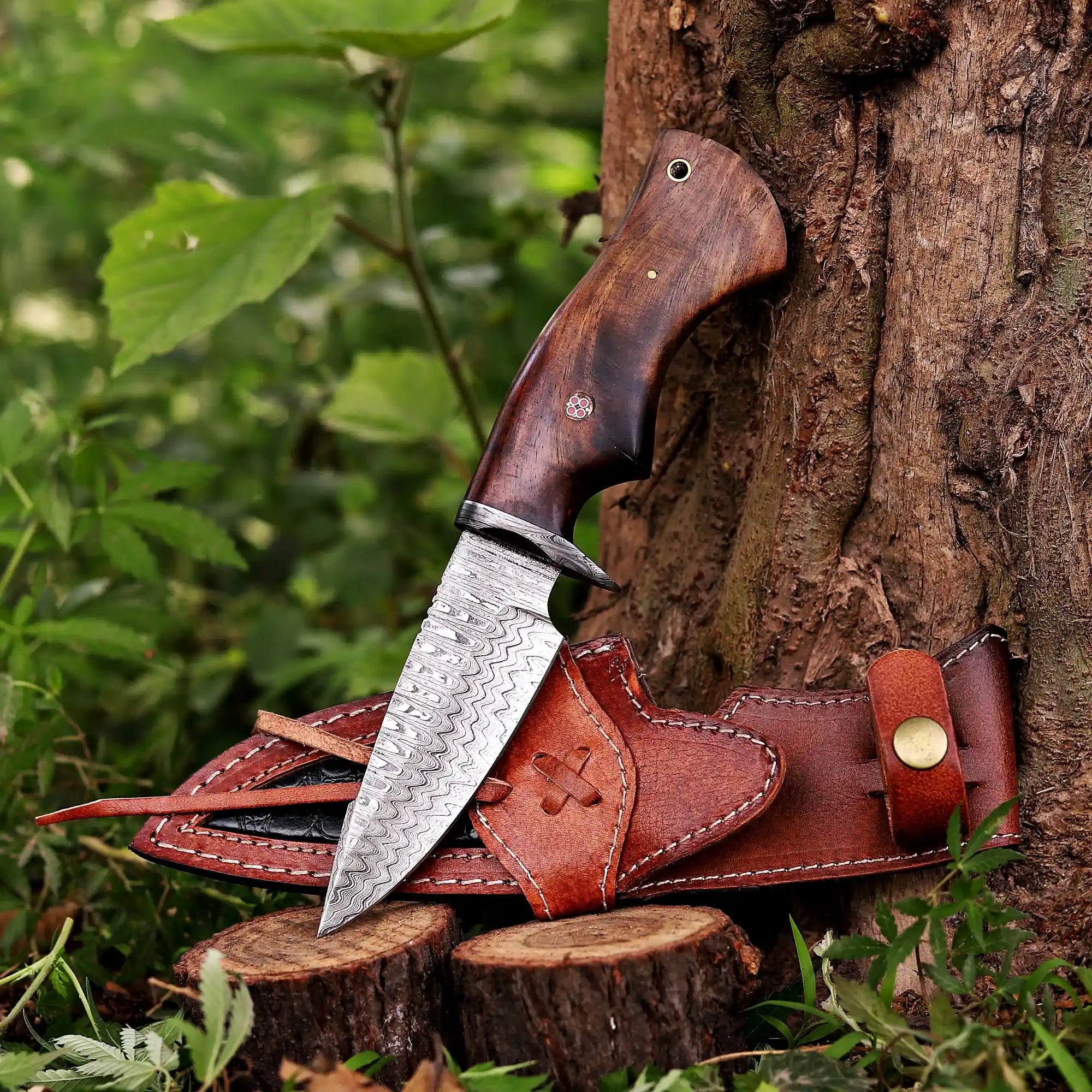
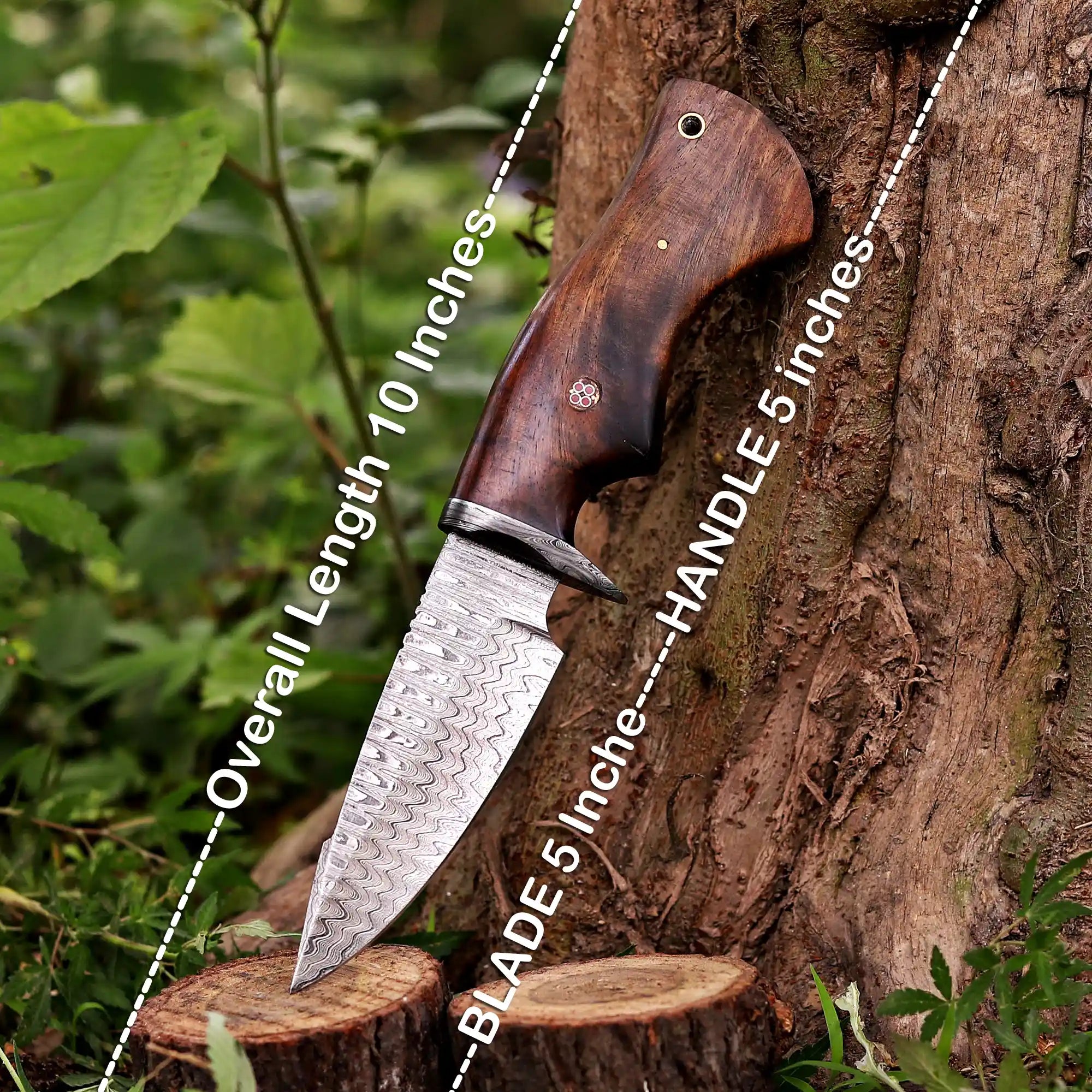
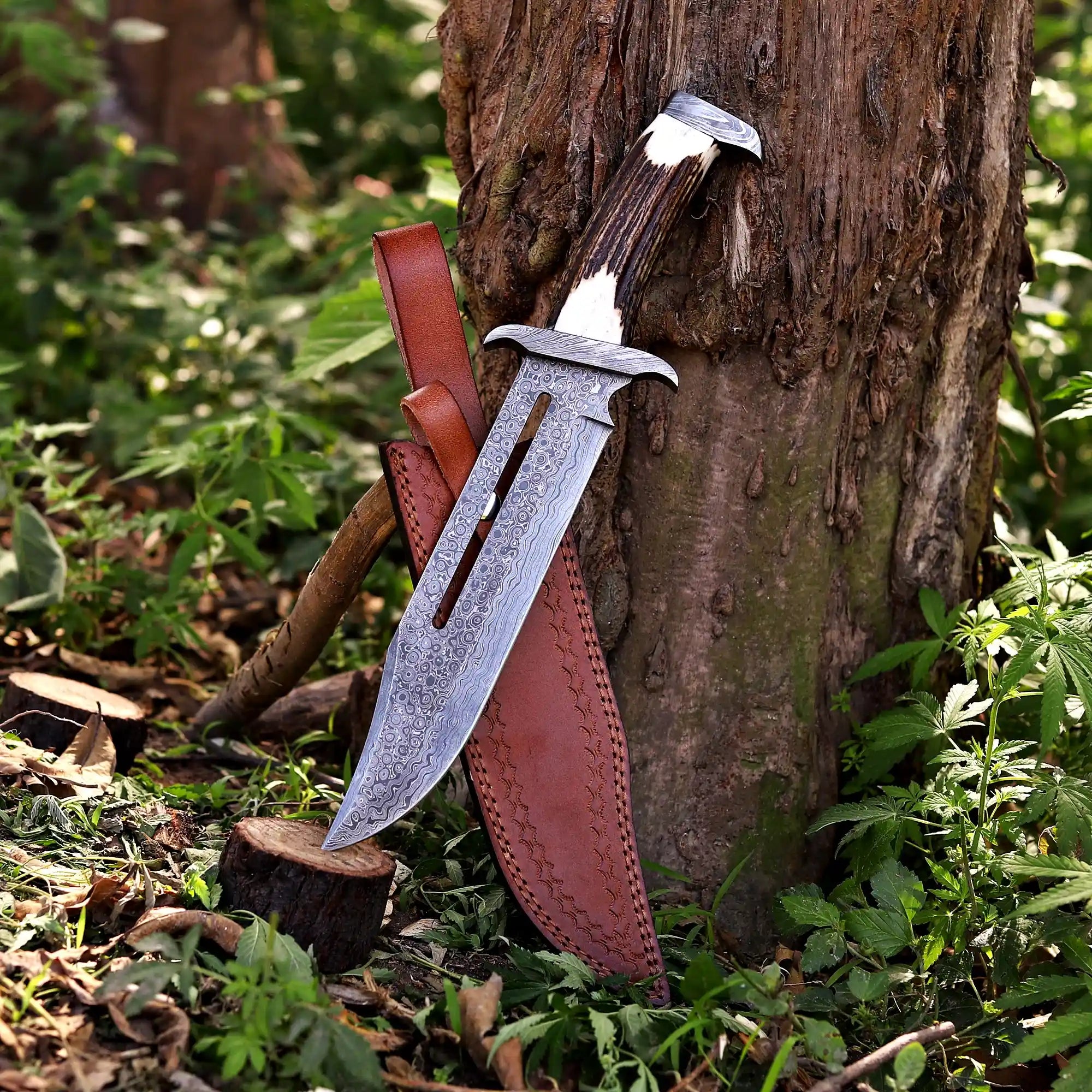
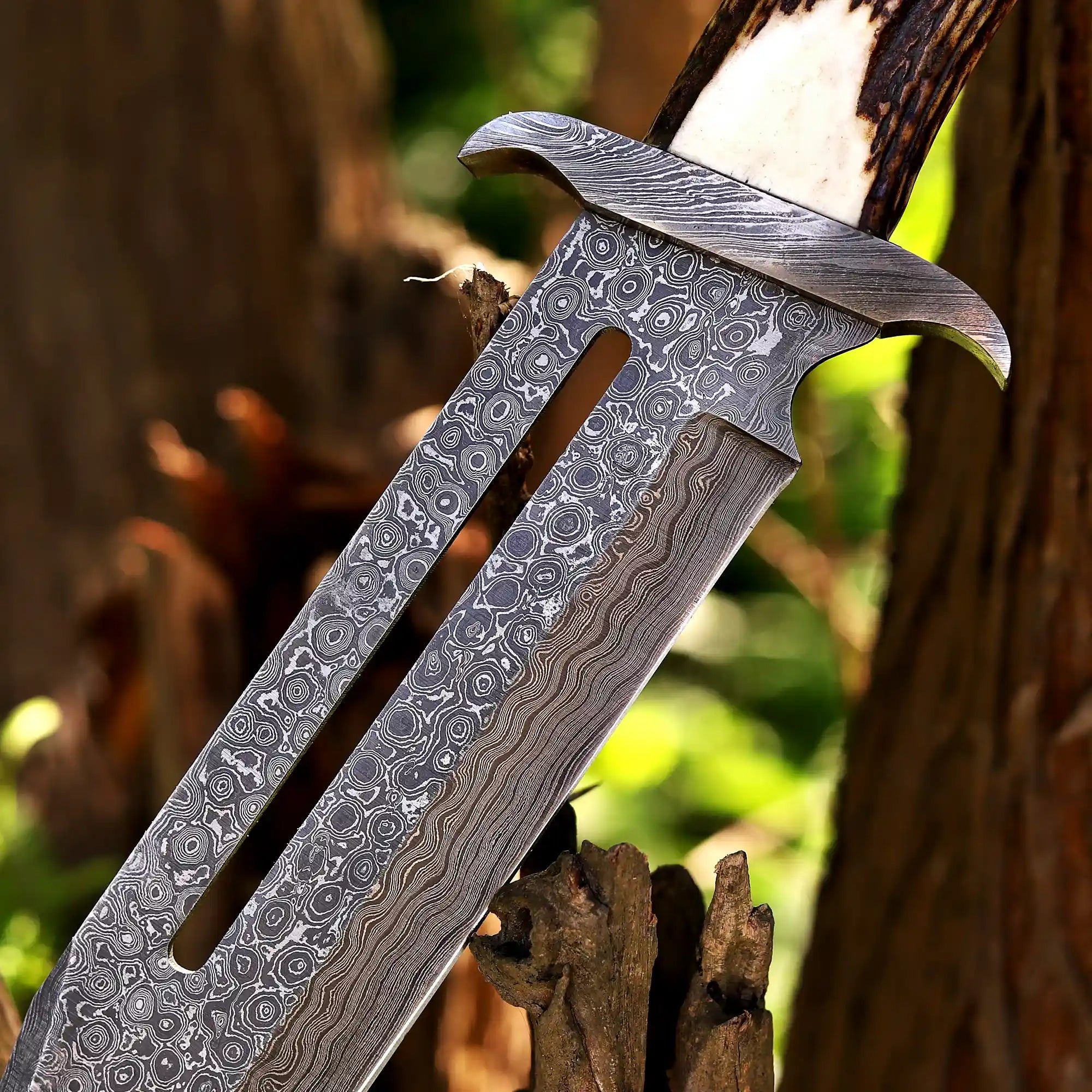
Damascus steel isn't a single type of metal — it's a technique. Blacksmiths fold and forge together multiple layers of different steel alloys, sometimes dozens of layers, creating a blade with a distinctive rippling pattern once it's etched and polished. This isn't just decorative; the layering process can also produce a blade with a hard cutting edge and a more flexible, shock-resistant core.
Modern Damascus steel knives (sometimes called "pattern-welded steel") are handmade, which means no two blades are identical. If you want a knife that looks like a piece of art and tells a story, this is it.

What Is Stainless Steel?
Stainless steel knives are made from a single steel alloy — typically containing chromium, which gives the blade its corrosion resistance. It's mass-producible, consistent, and very low-maintenance. You can leave it wet, forget to oil it, and it'll still be fine next week. That's the main appeal: stainless steel just works, with minimal babying required.

Head-to-Head Comparison
| Factor | Damascus Steel | Stainless Steel |
|---|---|---|
| Edge Retention | Excellent when forged well — combines a hard edge with a tougher spine | Good, consistent, but generally needs more frequent sharpening |
| Corrosion Resistance | Lower — needs drying and occasional oiling | High — built-in chromium resists rust |
| Maintenance | Moderate — wipe down, keep dry, oil occasionally | Low — largely grab-and-go |
| Appearance | Striking, one-of-a-kind rippled pattern | Clean, uniform, functional look |
| Price | Higher — labor-intensive handmade forging | Lower — mass-producible |
| Durability | Very durable with proper heat-treatment; resists chipping under heavy use | Very durable against the elements and daily wear |
So, Which One Should You Buy?
Choose Stainless Steel if:
- You want a low-maintenance, grab-and-go knife
- You're buying for everyday kitchen use and don't want to think about blade care
- Budget is your primary concern
Choose Damascus Steel if:
- You want a knife that's also a piece of craftsmanship
- You're buying for hunting, collecting, or as a meaningful gift
- You don't mind a little maintenance in exchange for a blade with real character and heritage
- You want something handmade, not mass-produced on an assembly line
The Honest Take
There's no universally "better" option here — it depends on what you value. If you want a knife you'll use once and forget about, stainless steel does the job fine. But if you want a knife that becomes part of your gear for years, develops a patina of use, and actually means something — the kind of blade you'd pass down — handmade Damascus steel is hard to beat.
At Gsons Creations, every Damascus steel knife we make is hand-forged, not stamped out of a factory line. If you're drawn to the idea of owning something genuinely unique, browse our Damascus knife collection and see the difference for yourself.